






Here’s what you need to know:
Dry Hair:
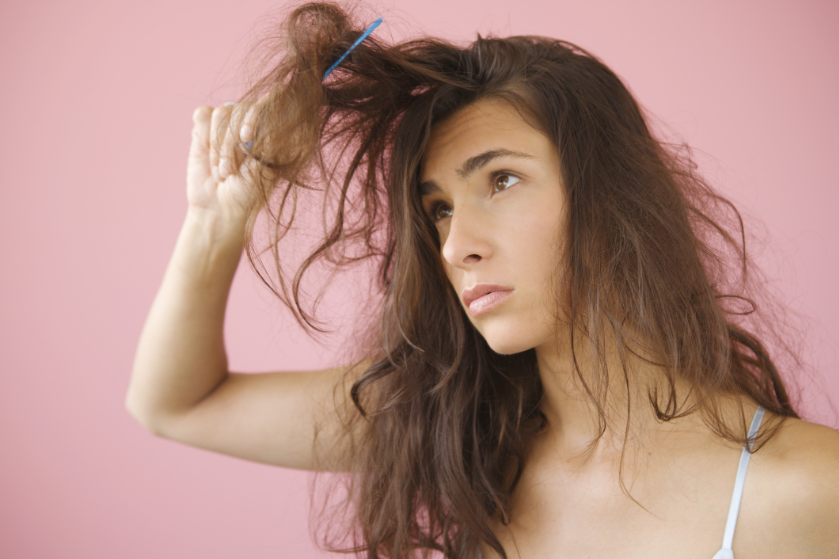
Dry hair lacks the necessary moisture and natural oils required for optimal health.
Signs of Dry Hair:
Dull Appearance: Dry hair often lacks shine and appears lackluster.
Rough Texture: When you run your fingers through dry hair, it feels coarse and brittle.
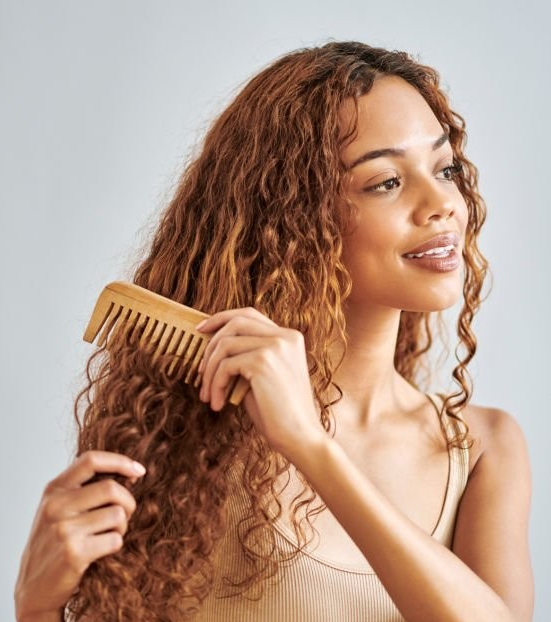
Tangles Easily: Dry hair tends to tangle and knot easily.
Lack of Elasticity: It may lack bounce and elasticity.
Causes of Dry Hair:
Natural Factors: Some people naturally have drier hair due to genetics.
Environmental Factors: Exposure to sun, wind, and harsh weather can strip moisture from the hair.
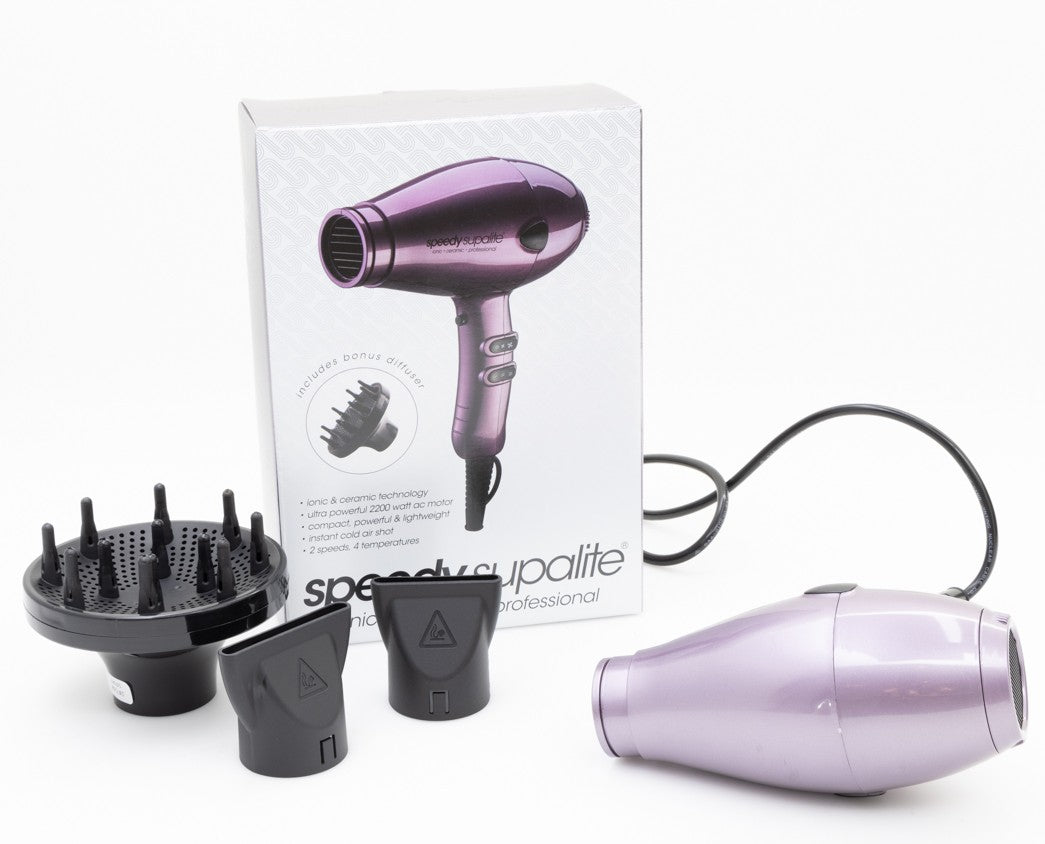
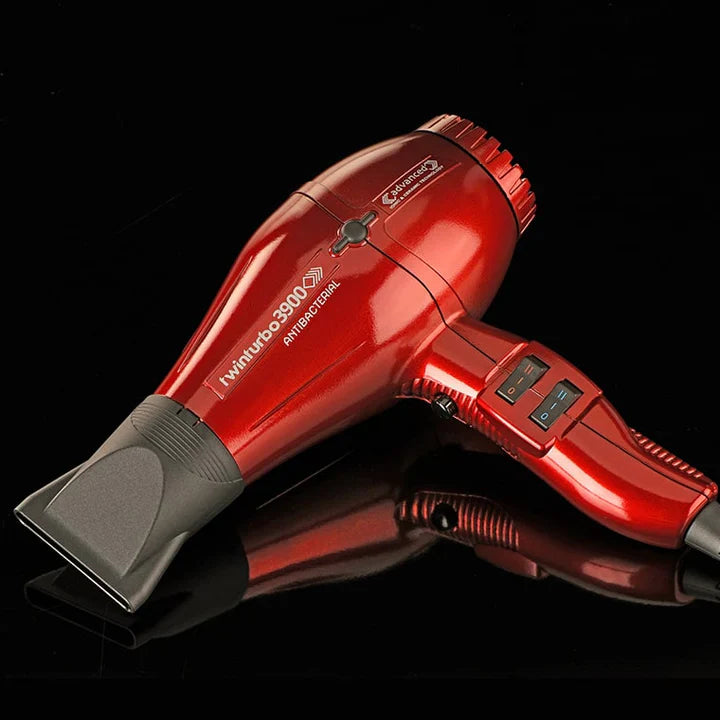
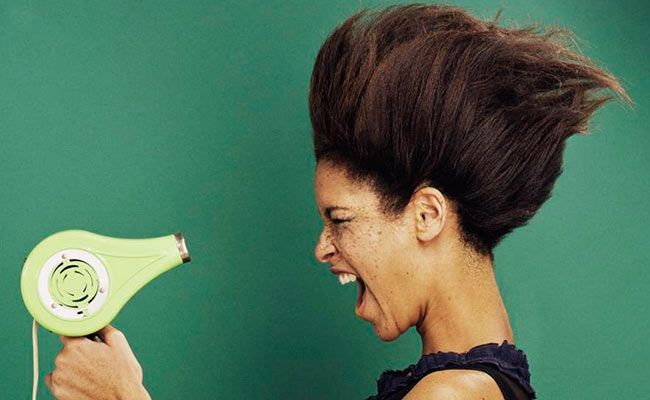
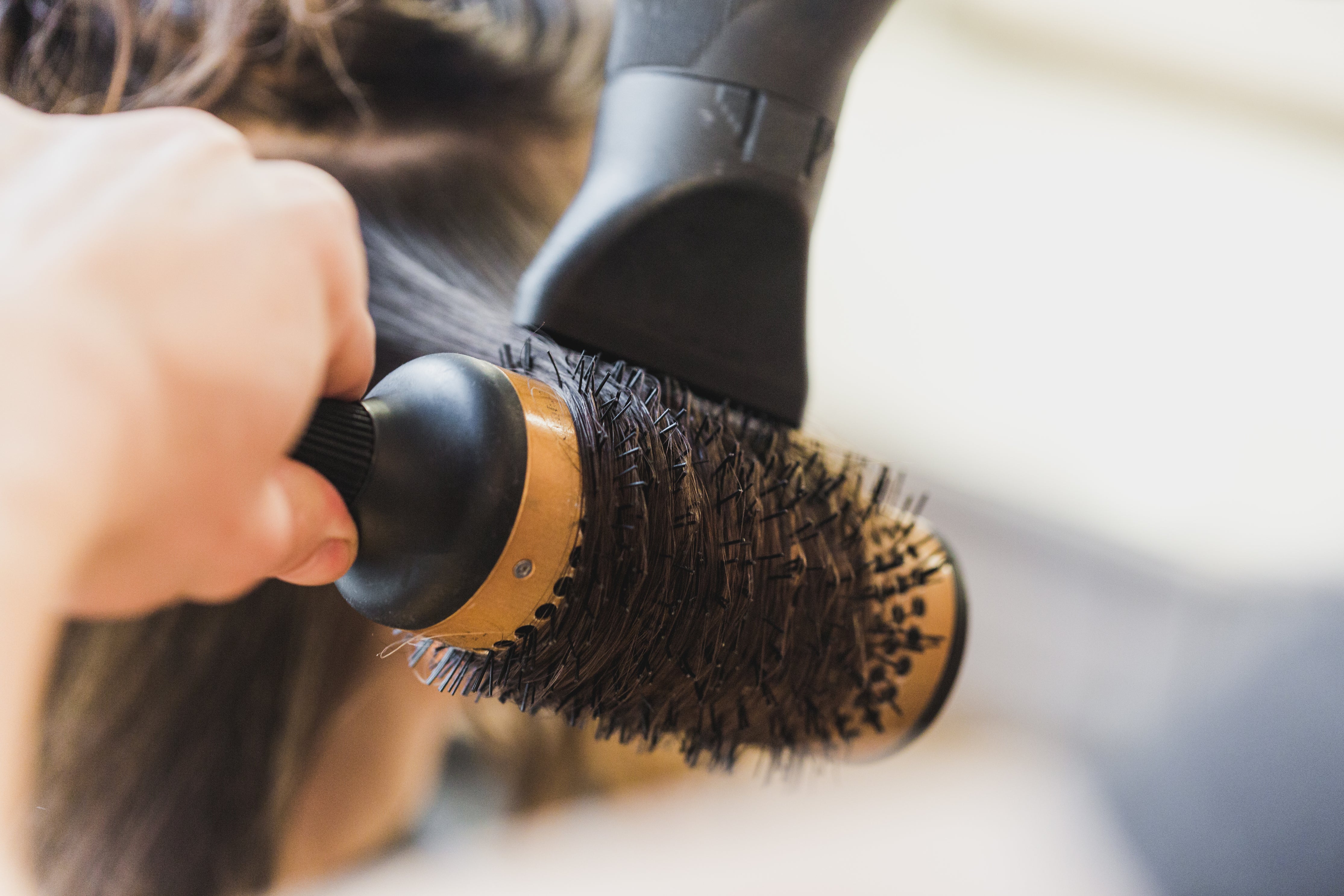
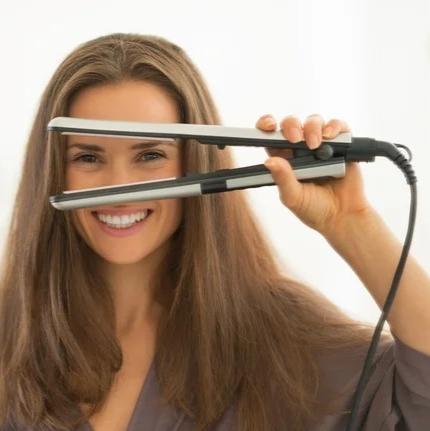
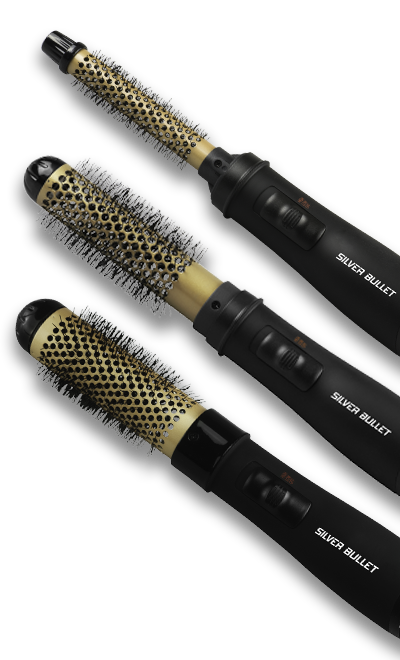
Heat Styling: Frequent use of hair dryers, straighteners, and curling irons can contribute to dryness.
Chemical Treatments: Coloring, perming, and chemical relaxers can dehydrate the hair.
Treatment:
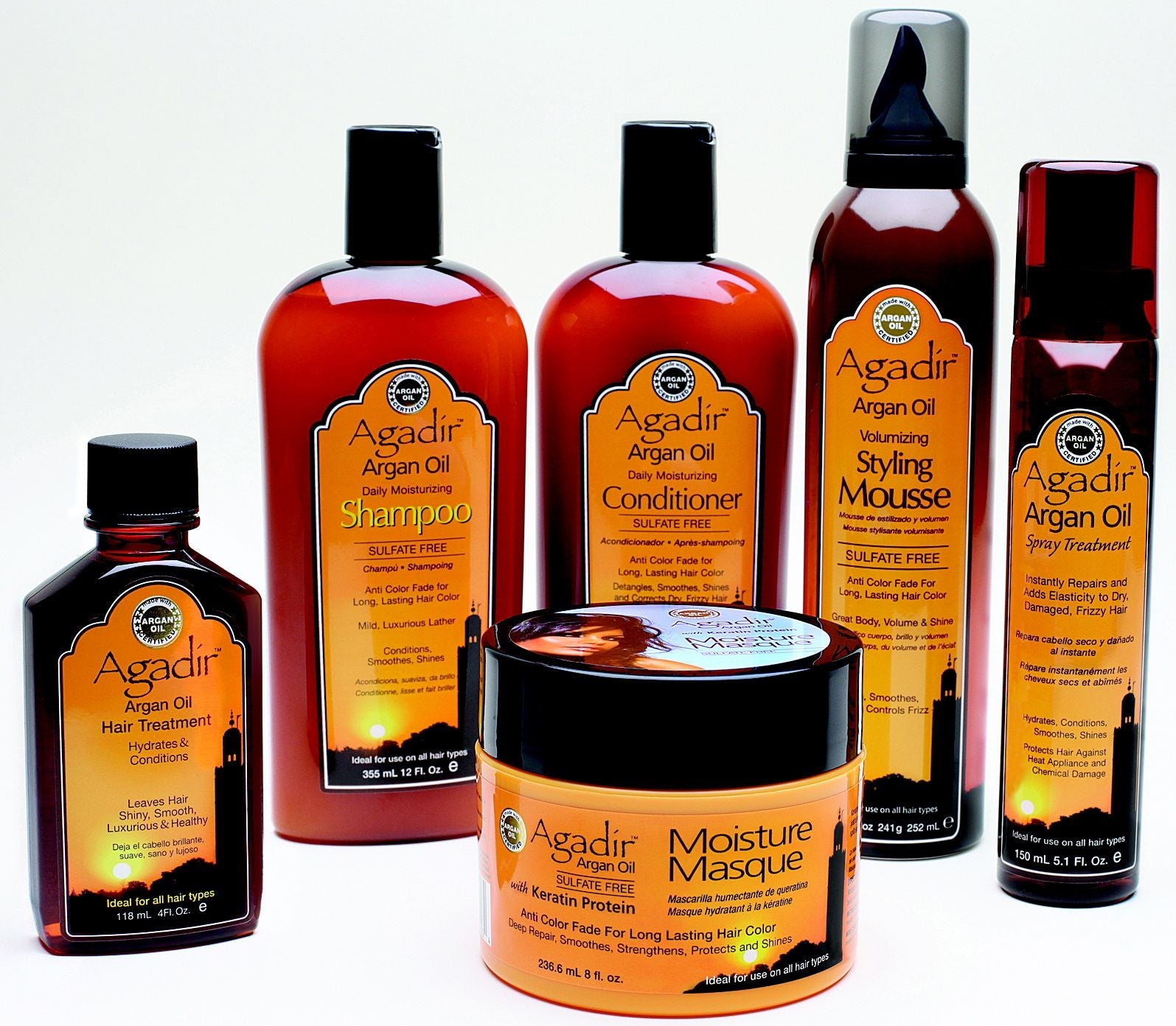
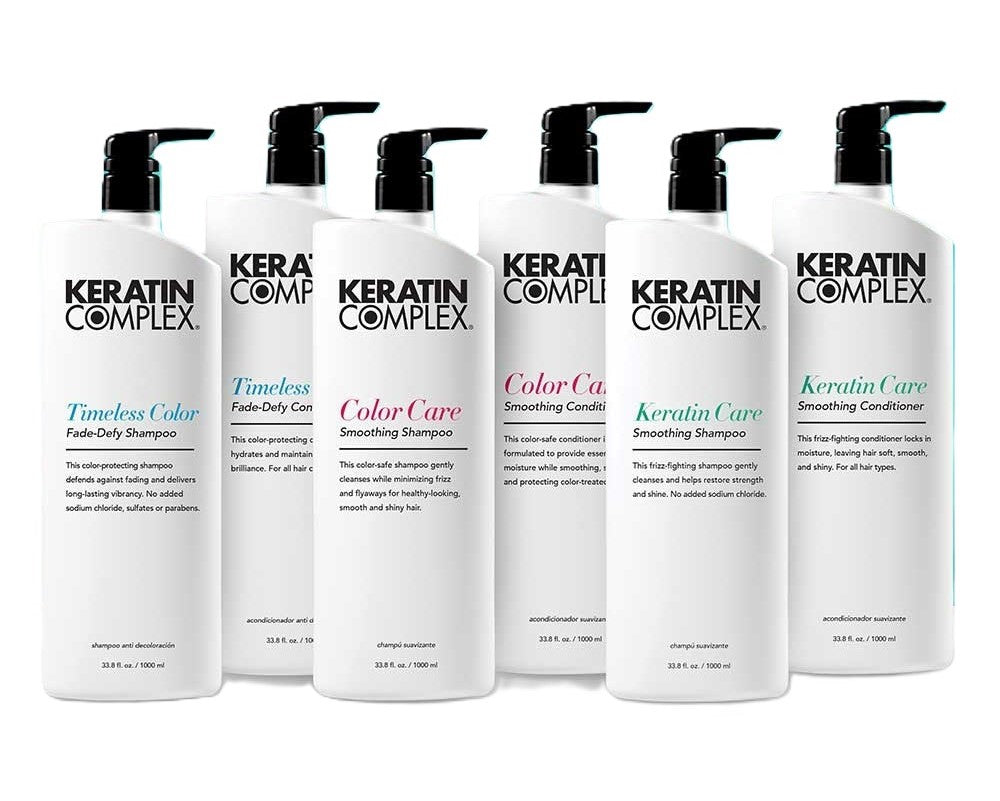
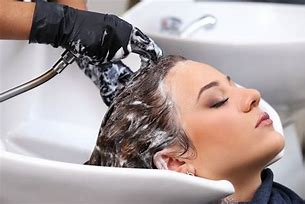
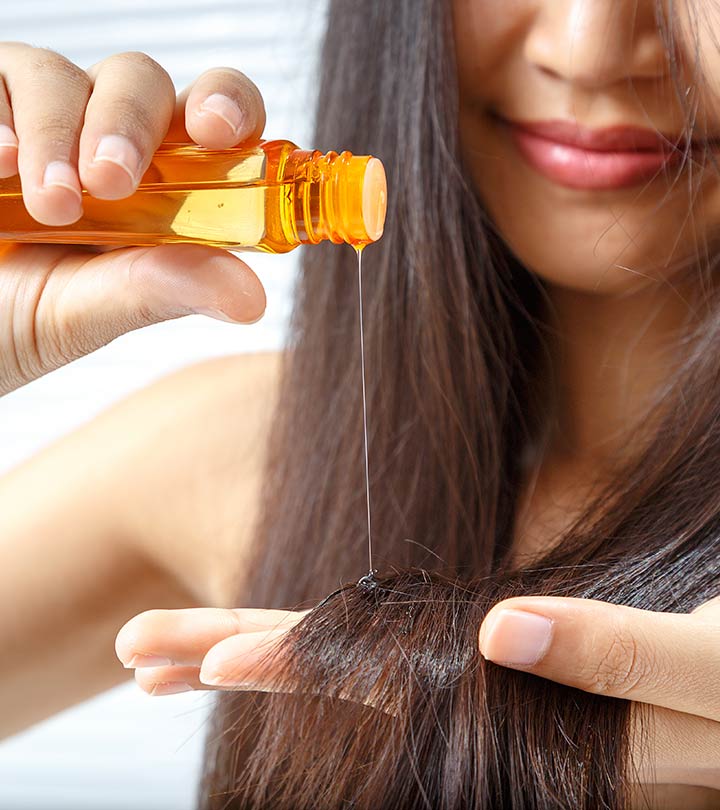
Hydrate: Use moisturizing shampoos and conditioners.
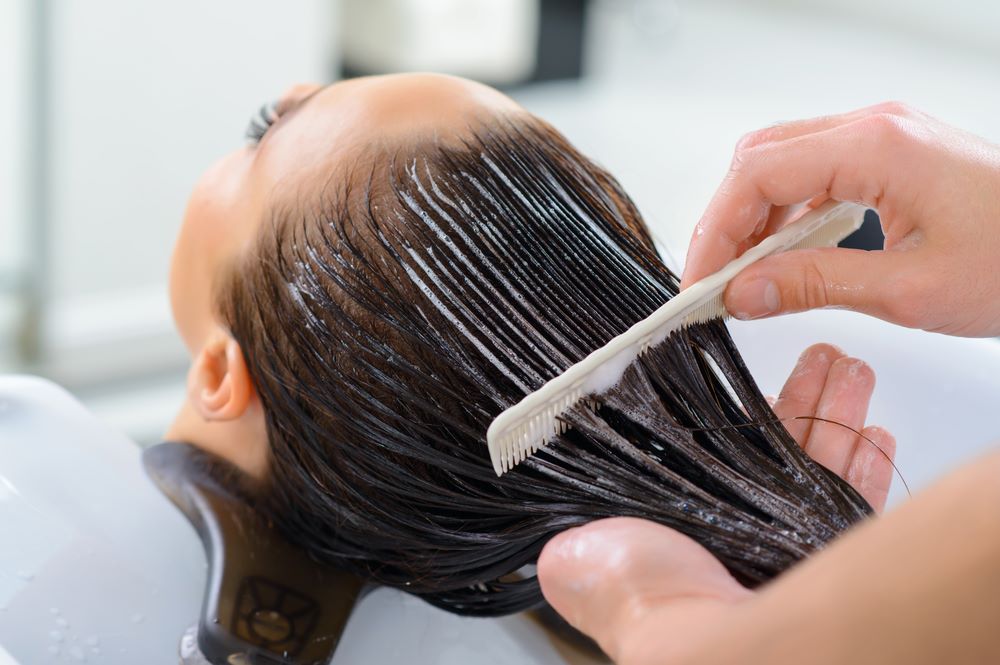
Deep Conditioning: Regular deep conditioning treatments restore moisture.
Limit Heat Styling: Reduce heat styling to prevent further dryness.
Protect from UV: Wear hats or use UV-protective products when outdoors.
Damaged Hair
Damaged hair has undergone physical or chemical changes that compromise its structure.
Signs of Damaged Hair:
Split Ends: The hair shaft splits at the ends.
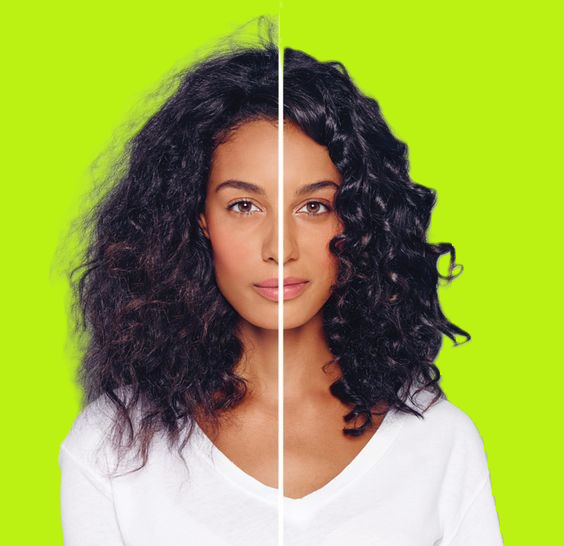
Frizz: Damaged hair often appears frizzy and lacks smoothness.
Breakage: It breaks easily, especially when wet.
Discoloration: Colour-treated hair may fade or become uneven.
Causes of Hair Damage:
Heat: Excessive heat styling weakens the hair.
Chemicals: Overuse of hair dyes, bleach, and perms damages the cuticle.
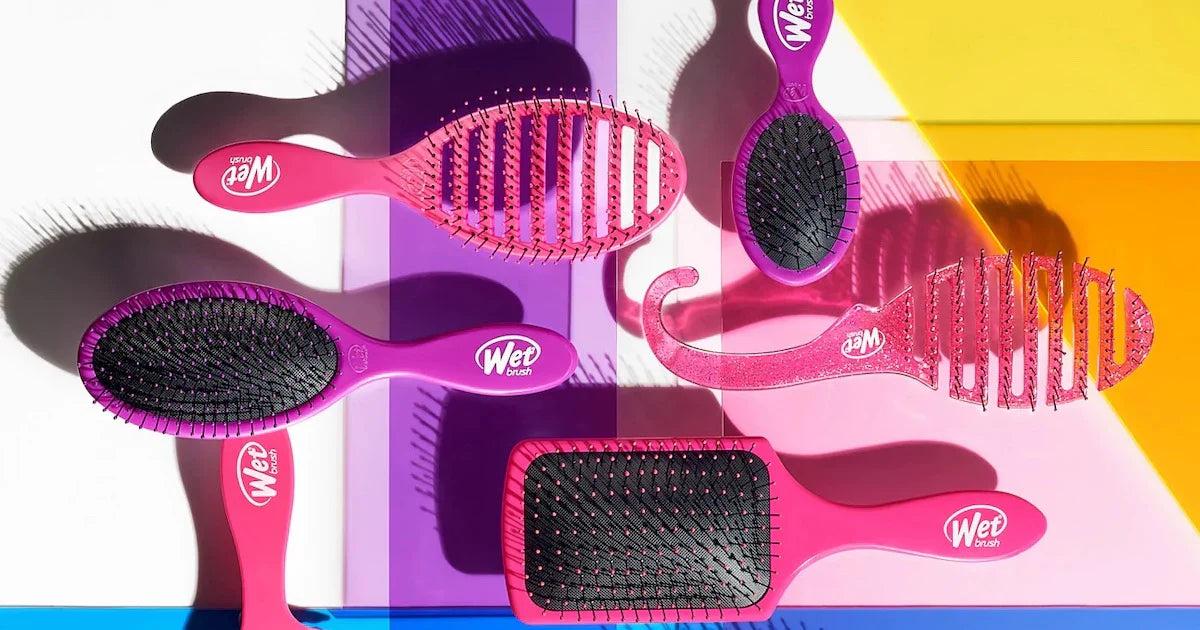
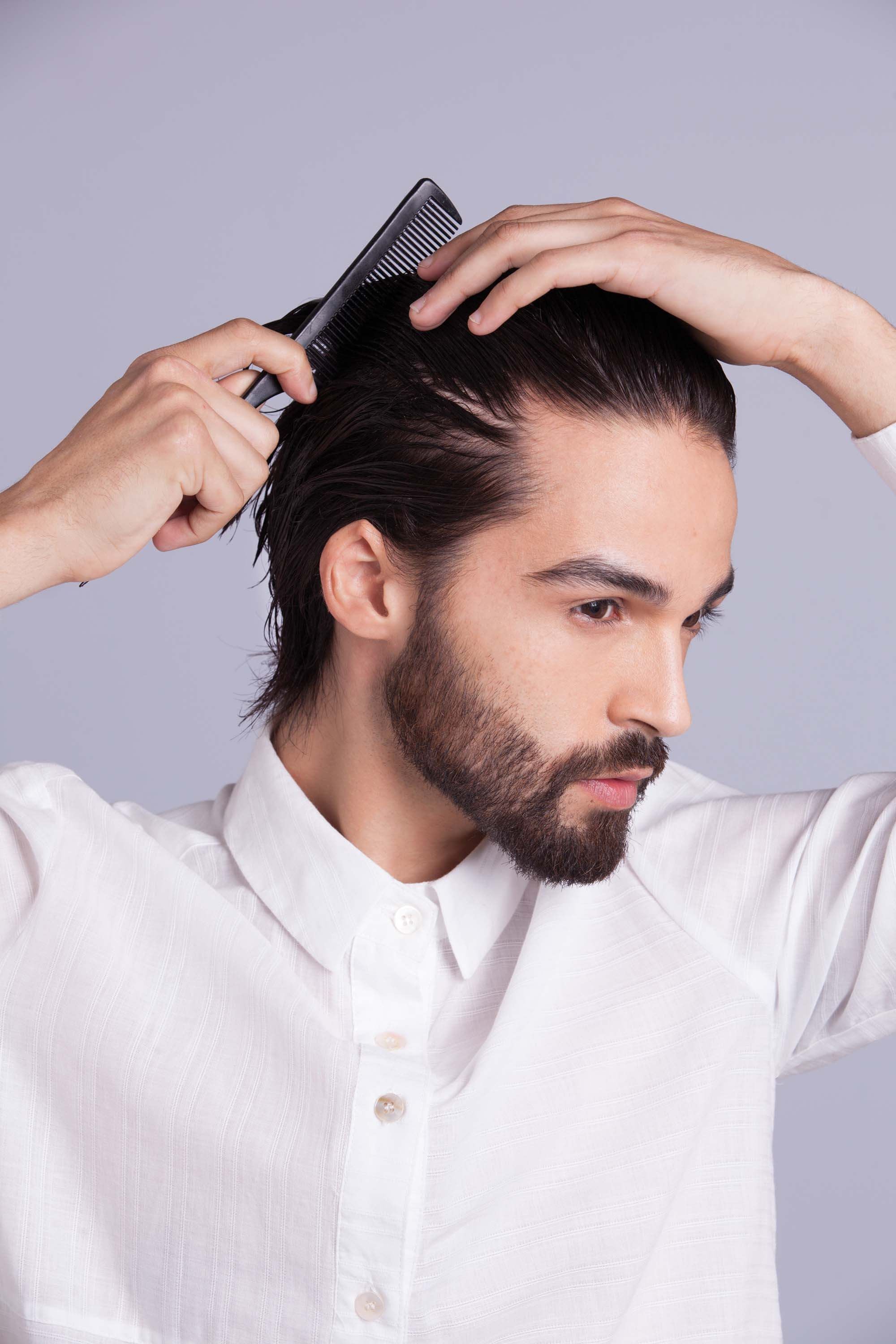
Mechanical Stress: Brushing aggressively or using tight hairstyles can harm the hair.
Environmental Factors: Sun, wind, and pollution contribute to damage.
Treatment:
Trim Regularly: Regular trims prevent split ends from traveling up the hair shaft.
Protein Treatments: Strengthen damaged hair with protein-rich treatments.
Gentle Handling: Be gentle while brushing and styling.
Avoid Harsh Chemicals: Limit chemical treatments and use sulfate-free products.