



































Sale


Sale

Sale


Sale


Sale


Sold out


Sale


Sale


Sale


- 1
- 2
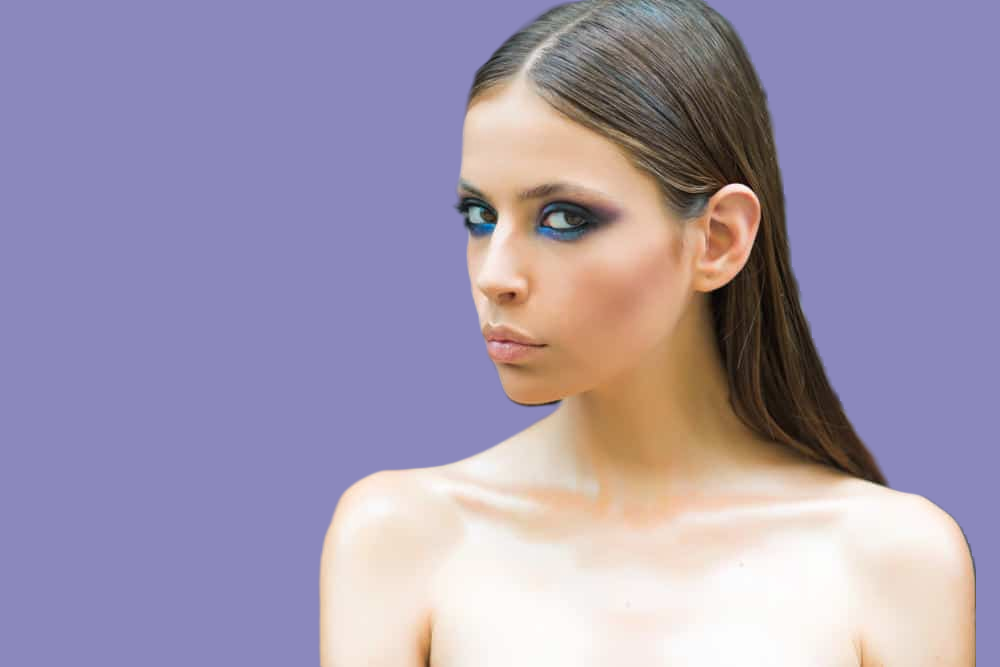
Oily Hair: Understanding Your Unique Hair Type
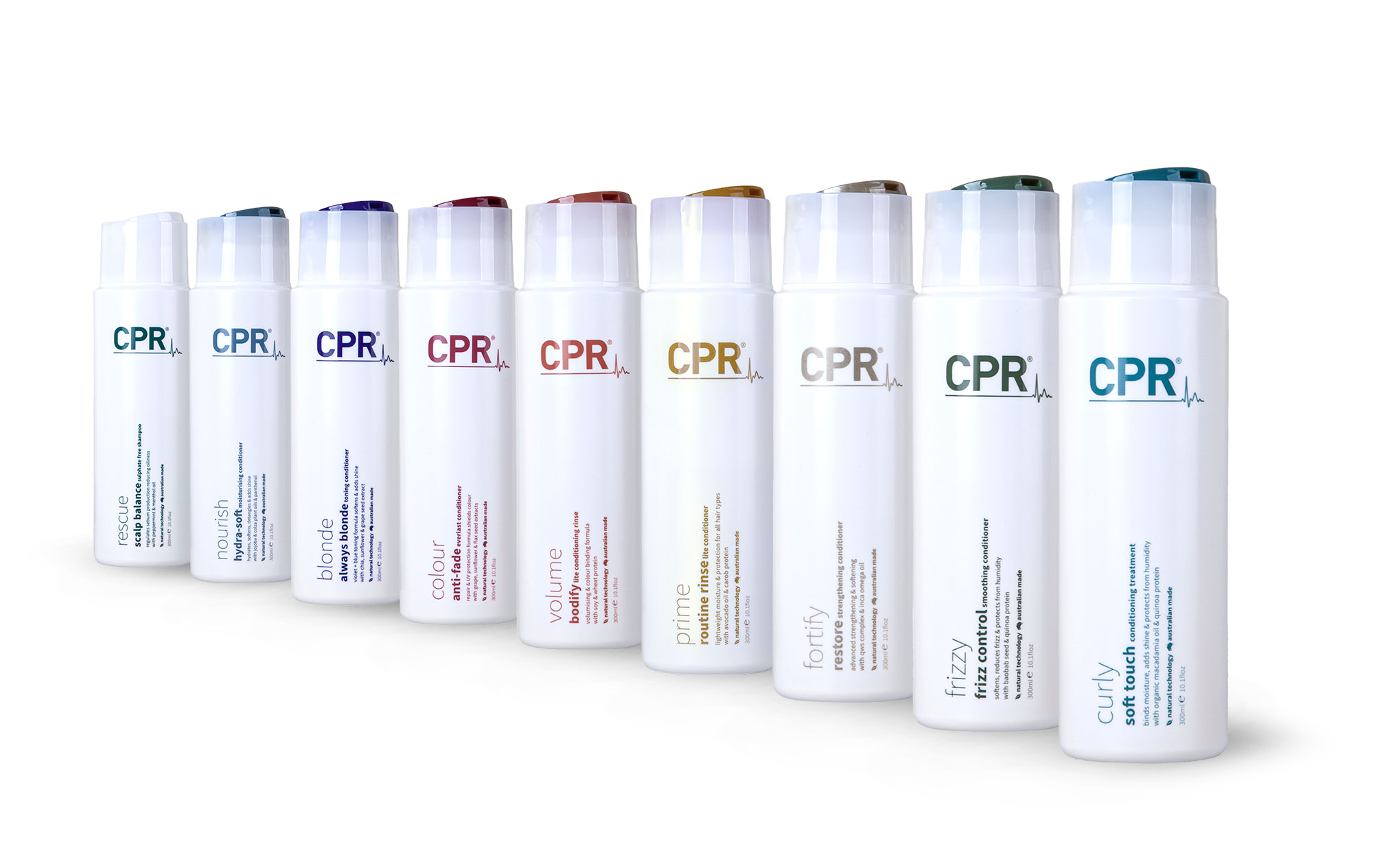
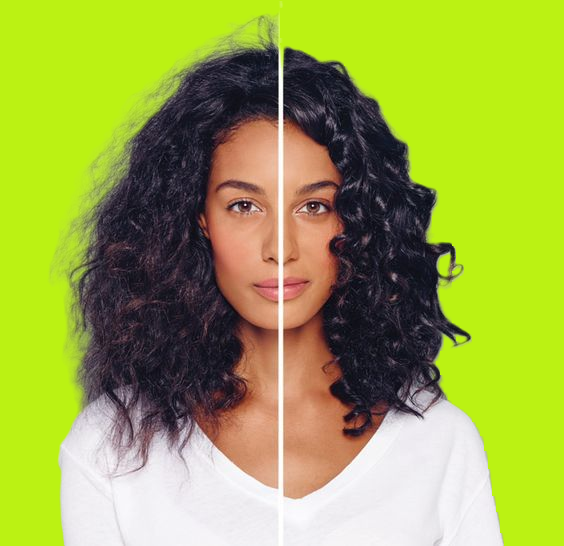
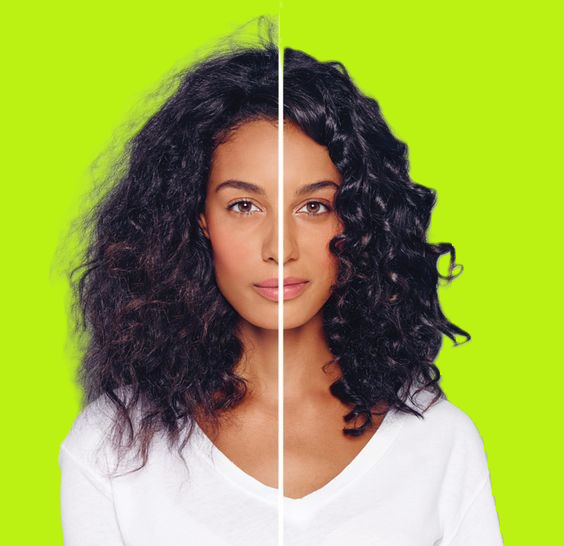
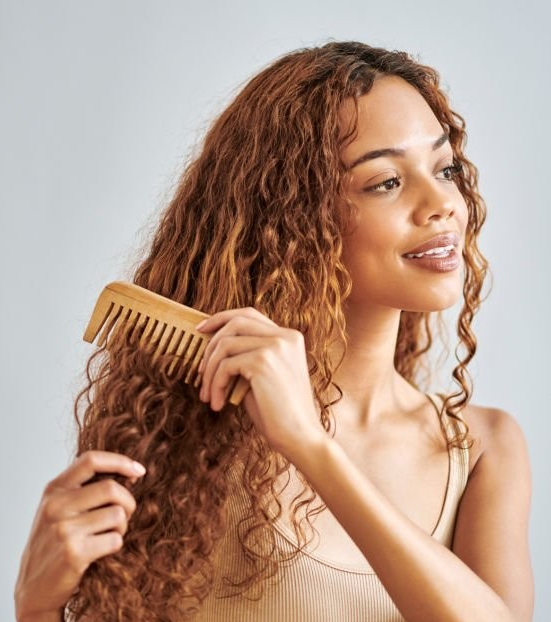
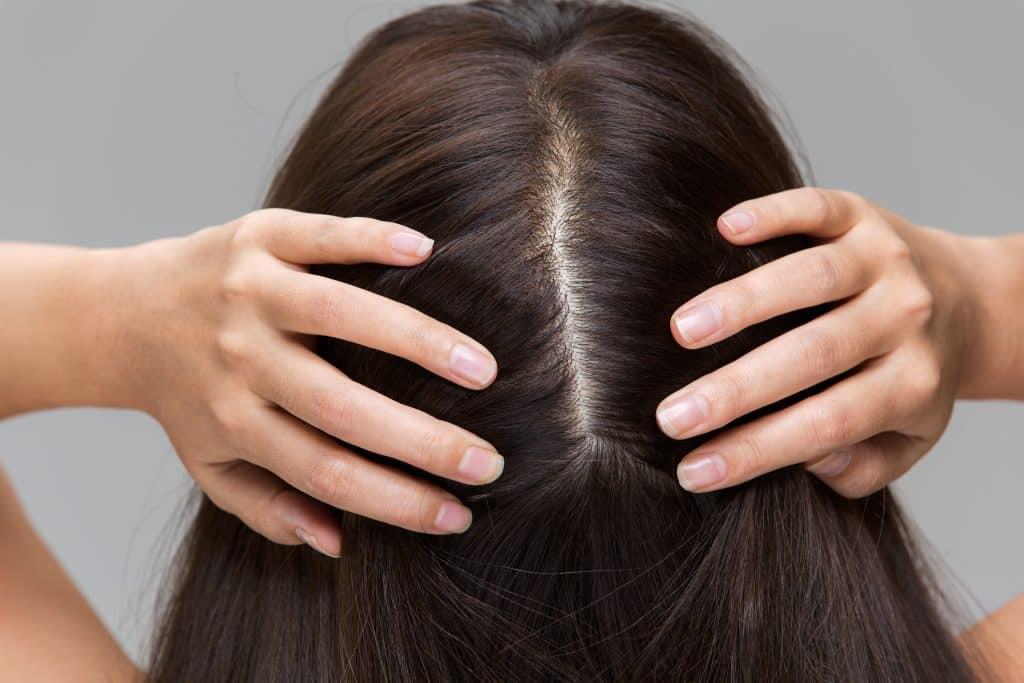
Whether you have straight, wavy, or curly hair, oily hair can affect anyone. Understanding the characteristics of oily hair and how to care for it is essential. Let Salon Essentials assist in your Australian Salon product quest to combat your oily hair.
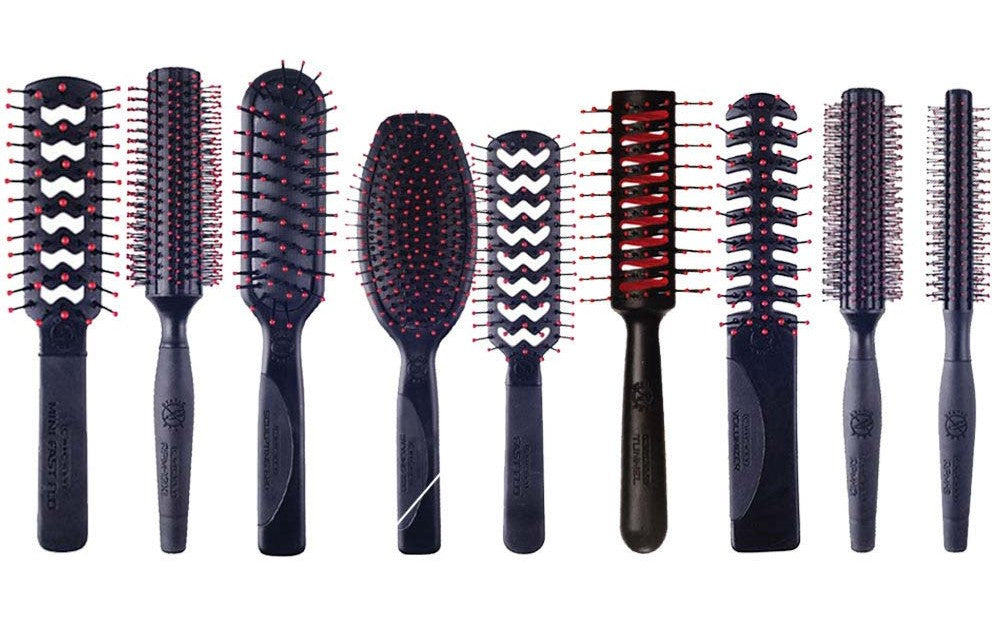
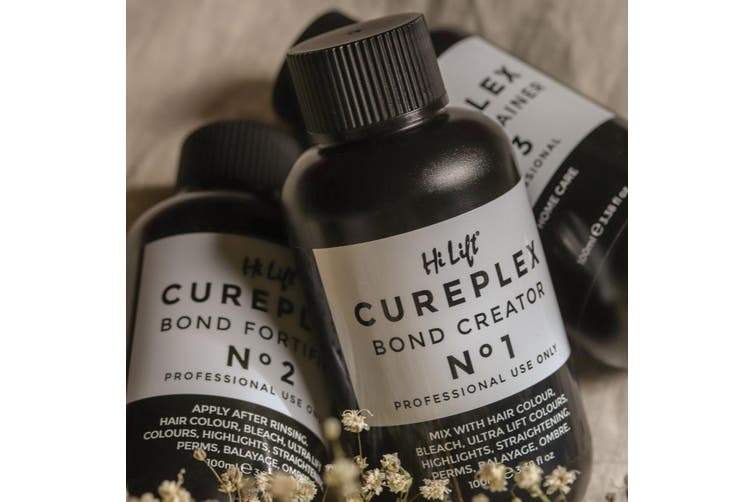
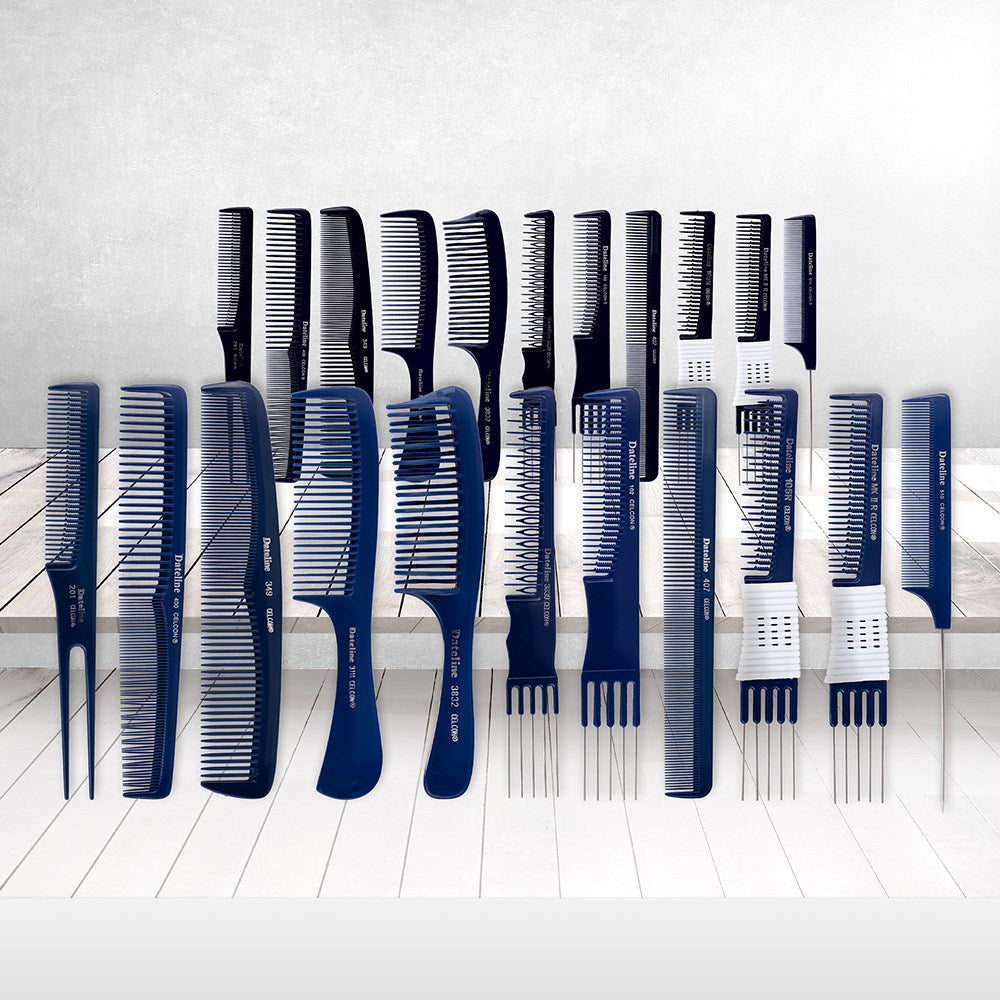
Remember, oily hair doesn’t discriminate based on hair type. Tailor your hair care routine to manage oiliness effectively. Salon Essentials hair products of shampoos, conditioners and treatments have the products to manage all your hair needs!